preloader

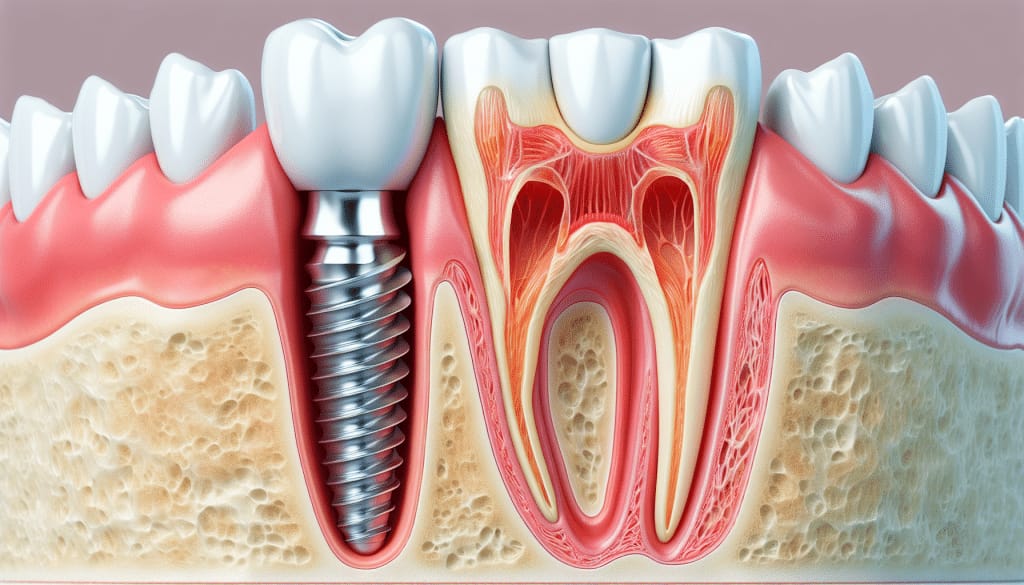
Dental Implants

A root canal treatment is a dental procedure used to treat infection or damage inside the tooth, particularly in the pulp (the soft tissue inside the tooth containing nerves and blood vessels). When the pulp becomes infected or inflamed due to deep decay, cracks, or injury, a root canal is needed to save the tooth and prevent further damage
Benefits of Root Canal Treatment

  1. Saves the Tooth: Instead of extracting a damaged or infected tooth, a root canal can save it and maintain its function.
  2. Pain Relief: Although the idea of a root canal may sound painful, modern techniques and anesthesia ensure the procedure is relatively pain-free, and it helps relieve the pain caused by the infection.
  3. Prevents Spread of Infection: By removing infected tissue and sealing the tooth, root canal treatment helps prevent the infection from spreading to other parts of the mouth.

Teeth Whitening

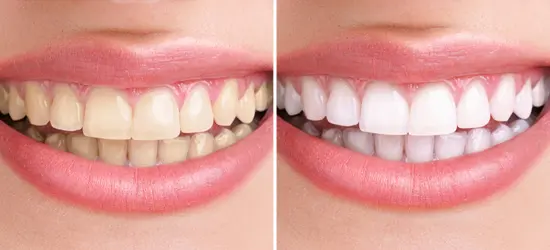
Teeth whitening is a cosmetic dental procedure designed to lighten the color of your teeth and remove stains or discoloration. Over time, teeth can become discolored due to factors like food, drinks, tobacco use, aging, and poor oral hygiene. Teeth whitening treatments help restore the natural brightness of your teeth and improve your smile.
Teeth Whitening Benefits

  1. Aesthetics: Teeth whitening enhances the overall appearance of your smile and boosts self-confidence.
  2. Youthful Look: Whiter teeth are often associated with youth and good health.
  3. Non-invasive: Teeth whitening is a non-invasive procedure, so there’s no need for drilling or injections.

Root Canal Treatments

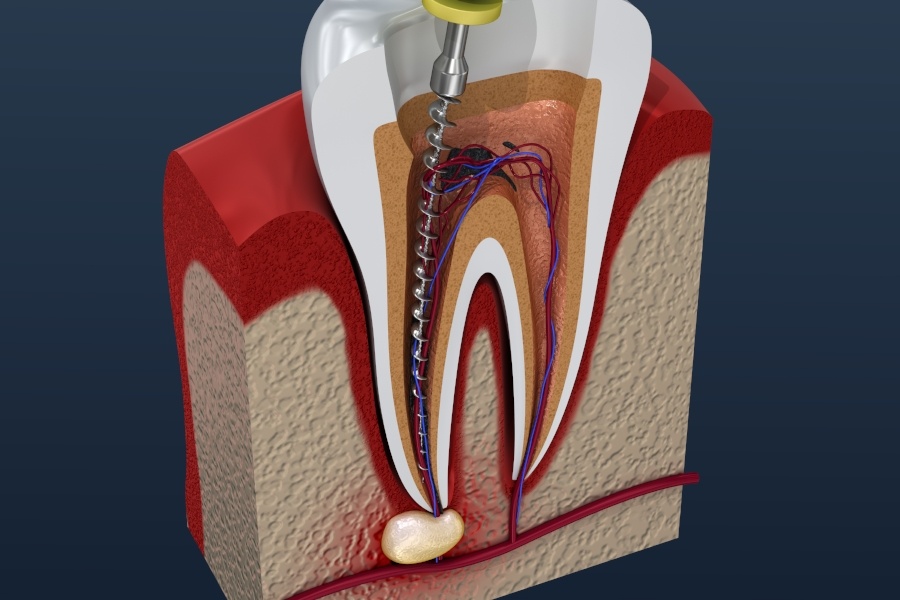
A root canal treatment (also known as endodontic therapy) is a dental procedure used to treat infection or damage in the pulp of a tooth. The pulp is the soft tissue inside the tooth that contains nerves and blood vessels. When the pulp becomes infected or inflamed due to decay, injury, or infection, a root canal can help save the tooth and prevent further damage.
Benefits of Root Canal Treatment

  1. Saves the Tooth: The most significant benefit is that it saves the tooth from extraction. Root canal treatment allows you to keep your natural tooth.
  2. Relieves Pain: Root canal treatment eliminates the infection and associated pain caused by an infected or inflamed pulp.
  3. Prevents Infection from Spreading: By removing the infected pulp and sealing the tooth, it helps prevent the infection from spreading to other parts of the mouth or body.
  4. Preserves the Tooth's Function: The treated tooth remains functional, allowing you to continue chewing and speaking normally.

Tooth Extraction

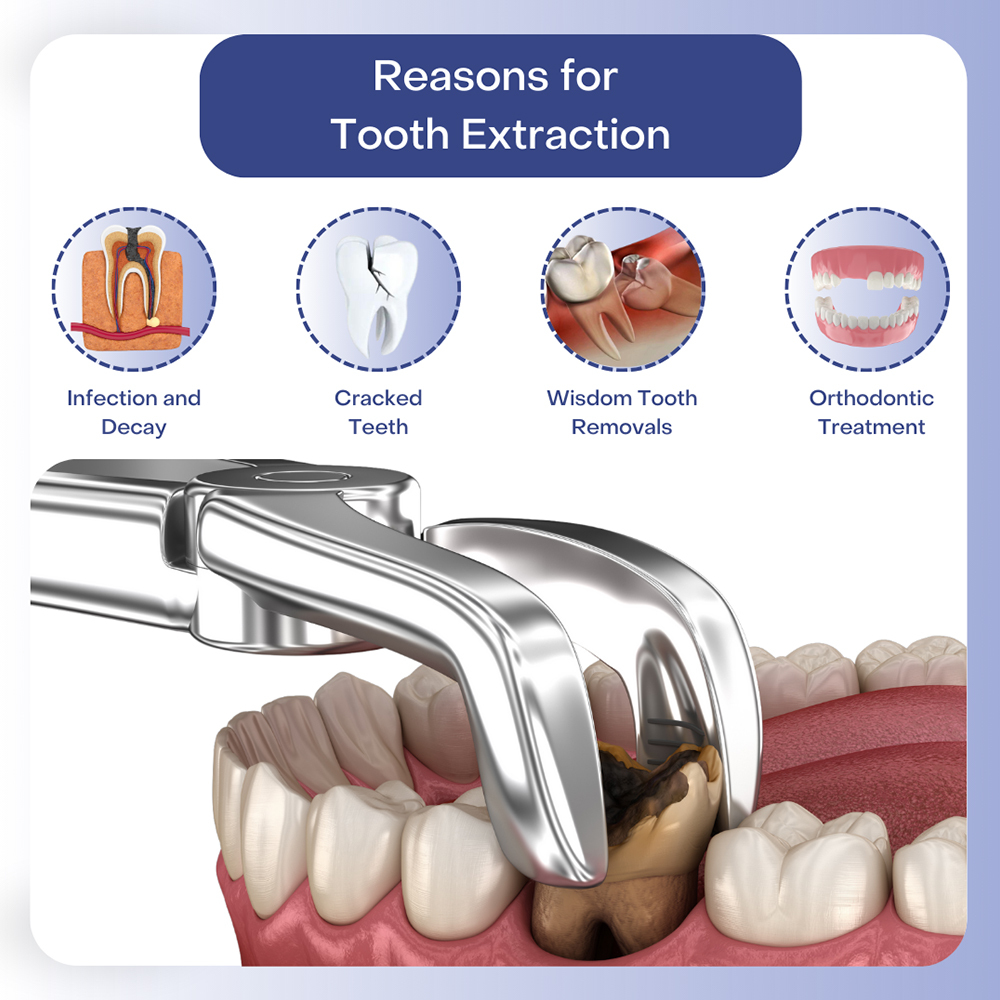
Tooth extraction is a dental procedure in which a tooth is removed from its socket in the bone. While preserving your natural teeth is always the goal, tooth extraction may be necessary when a tooth is severely damaged, infected, or causing other issues. It is often a last resort when other dental treatments (like root canals or fillings) cannot save the tooth.
Reasons for Tooth Extraction

  1. Severe Tooth Decay or Infection -When a tooth is so damaged by decay or infection that it can’t be repaired with fillings, crowns, or root canals, extraction may be necessary.
  2. Impacted Teeth - Wisdom teeth (third molars) often need to be removed if they are impacted, meaning they are stuck under the gums and cannot emerge properly. Impacted teeth can cause pain, infection, or damage to nearby teeth.
  3. Crowded Teeth - In some cases, teeth need to be extracted to make room for orthodontic treatment (braces). Removing one or more teeth may help align the remaining teeth properly.
  4. Tooth Damage from Trauma - Teeth that are severely damaged in accidents or injuries may not be salvageable, and extraction may be necessary.

Orthodontic Treatment

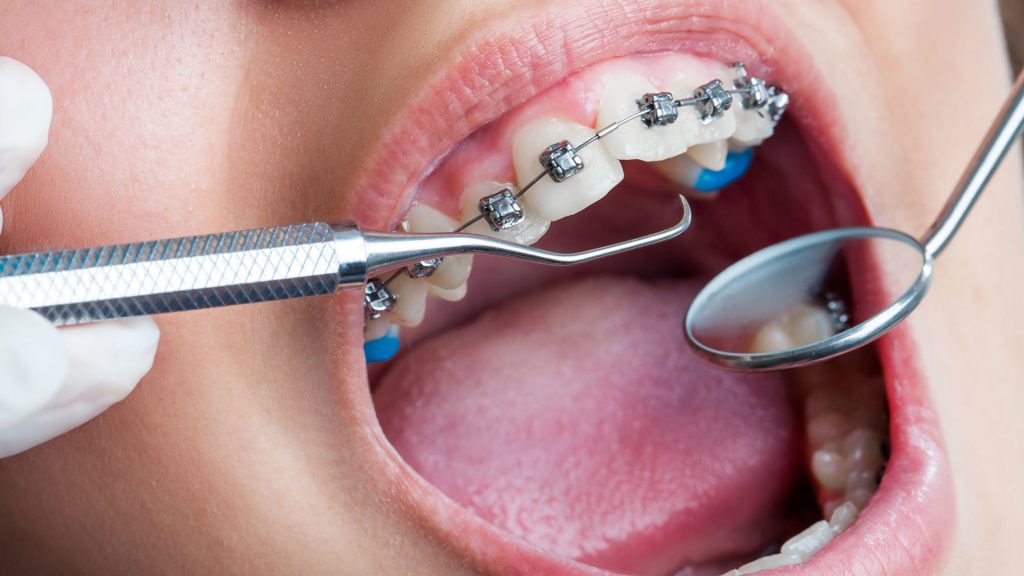
Orthodontic treatment involves the use of various dental appliances to straighten teeth, correct bite issues, and improve the overall appearance and function of the teeth and jaws. It’s commonly used for both children and adults to fix misalignments, bite problems, or overcrowding, and to enhance the smile and dental health.
Benefits of Orthodontic Treatment

  1. Improved Appearance: Straightening teeth improves the aesthetics of your smile, which can boost self-confidence and self-esteem.
  2. Better Oral Health: Properly aligned teeth are easier to clean, reducing the risk of plaque buildup, tooth decay, and gum disease.
  3. Improved Function: Correcting bite issues can improve chewing, speaking, and overall comfort, reducing strain on the jaw muscles.
  4. Preventative Health Benefits: Orthodontic treatment can prevent uneven wear and tear on teeth and reduce the risk of jaw disorders (TMJ).

Oral Prophylaxis

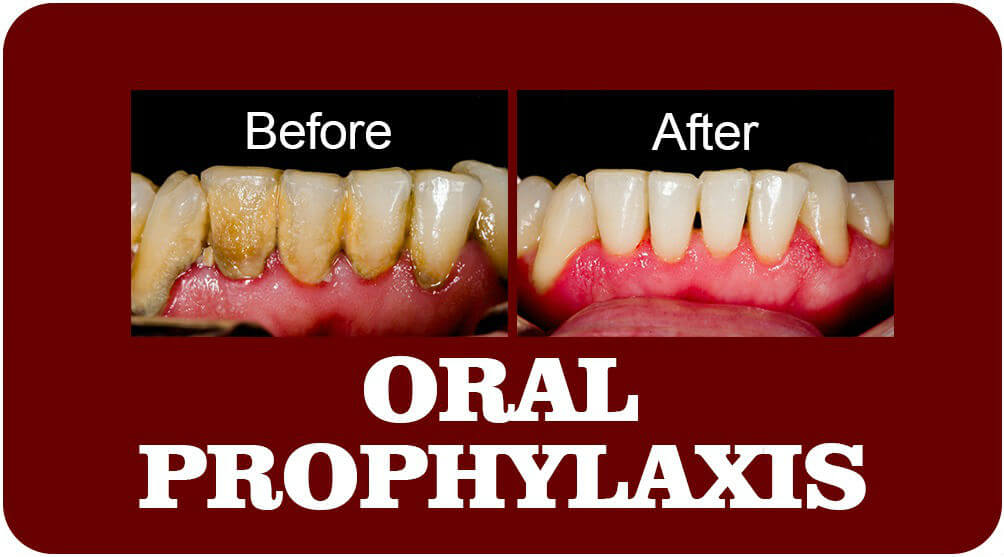
Oral prophylaxis is a professional cleaning procedure that is performed by a dentist or dental hygienist to maintain good oral health. It involves the thorough removal of plaque, tartar (calculus), and stains from the teeth to prevent gum disease, cavities, and other dental problems. Regular oral prophylaxis is an essential part of preventive dentistry, helping to maintain the health of your gums and teeth.
Benefits of Oral Prophylaxis

  1. Prevention of Gum Disease: Regular professional cleaning removes tartar that brushing and flossing can't reach, helping to prevent gingivitis and more advanced periodontal disease.
  2. Cavity Prevention: By removing plaque and tartar buildup, the procedure helps reduce the risk of cavities and decay.
  3. Improved Aesthetic Appearance: Oral prophylaxis removes surface stains from the teeth, giving you a brighter smile and improved overall appearance.
  4. Early Detection of Problems: During the cleaning, the dentist may notice early signs of problems such as cavities, gum disease, or oral cancer, and can provide early treatment.

Dental X-rays

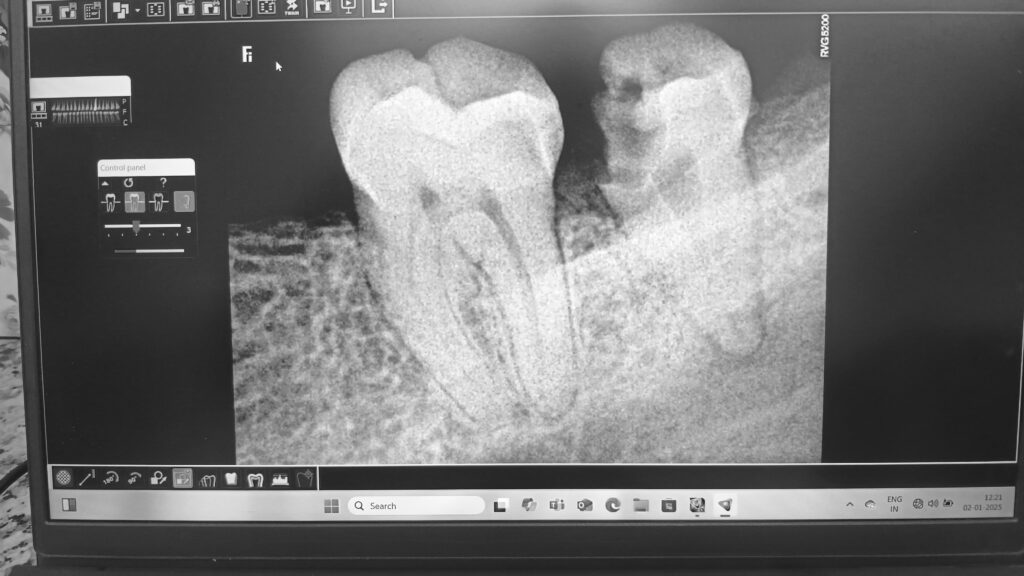
Dental X-rays (also called radiographs) are an essential diagnostic tool that dentists use to get a clear, detailed view of the inside of your teeth, gums, and jaw. They help dentists identify problems that may not be visible during a regular oral exam, such as cavities, bone loss, infections, and other dental issues. X-rays allow dentists to catch problems early, when they are easier and less expensive to treat.

Benefits of Dental X-rays

  1. Early Detection of Problems - Dental X-rays help detect issues that aren’t visible during a regular exam, like cavities between teeth, early gum disease, infections, abscesses, and impacted teeth.
  2. Diagnosis of Hidden Problems - Problems inside the teeth or under the gums, such as infections or cysts, can be detected early and treated before they worsen.
  3. Treatment Planning - Dentists use X-rays to plan treatments such as fillings, root canals, braces, and dental implants. They provide a detailed map of the teeth and bone structure.
  4. Monitoring Progress - If you have ongoing dental treatments, such as periodontal therapy or braces, X-rays help monitor your progress and ensure that treatment is working effectively.